
Bunions can be painful, frustrating, and sometimes even embarrassing. If you’ve noticed a bony bump at the base of your big toe that seems to be getting worse, you’re not alone. Bunions affect millions of people, and many seek non-surgical bunion treatment options to relieve discomfort and avoid invasive procedures.
The good news? Surgery isn’t always the first step. In fact, many people successfully manage their bunion pain and slow progression using conservative methods.
In this post, we’ll cover:
- What causes bunions
- Early signs and symptoms
- The best non-surgical treatments for bunions
- When to consider seeing a podiatrist
Let’s dive in.
What Is a Bunion?
A bunion (medically known as hallux valgus) is a deformity that develops when the big toe pushes against the second toe. Over time, this forces the joint at the base of the big toe to stick out, creating that familiar bony bump.
Common symptoms include:
- Pain or soreness around the big toe joint
- Redness or swelling
- Restricted movement
- Difficulty finding comfortable shoes
Why Do Bunions Happen?
Bunions can develop for several reasons, including:
- Genetics – Yes, bunions can run in families
- Foot structure – Flat feet or overly flexible joints increase your risk
- Footwear – Tight, narrow, or high-heeled shoes can make things worse
- Arthritis – Especially inflammatory types like rheumatoid arthritis
While you can’t always prevent bunions, you can treat them early — often without surgery.
6 Non-Surgical Bunion Treatment Options That Work
Here are the most effective ways to treat bunions without surgery:
1. Proper Footwear
Start here. One of the simplest and most effective ways to relieve bunion pain is to switch to shoes with a wide toe box, good arch support, and low heels. Avoid tight or pointed shoes — they can make the bunion worse.
Tip: Look for orthopedic or podiatrist-recommended shoes designed for bunions.
2. Orthotic Inserts
Custom orthotics or over-the-counter insoles can help realign your foot structure, reduce pressure on the bunion, and provide arch support. This not only relieves pain but also helps prevent the bunion from worsening.


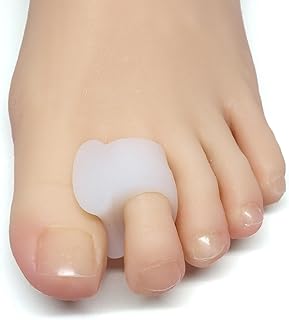
3. Toe Spacers & Bunion Pads
Gel toe spacers, bunion splints, and padding are affordable tools to help align your toes and cushion the bunion during daily activity.
Many patients wear bunion splints overnight to gently guide the toe back into a more natural position.


4. Anti-Inflammatory Medications
Over-the-counter medications like ibuprofen or naproxen can reduce inflammation and pain, especially during flare-ups. Talk to your podiatrist before starting any long-term medication regimen.
5. Icing the Area
Applying ice packs for 15–20 minutes a few times a day can help reduce swelling and discomfort — especially after standing or walking for long periods.
6. Physical Therapy & Toe Exercises
Simple foot exercises can strengthen muscles, improve flexibility, and increase joint function. Try:
- Toe stretches
- Towel scrunches
- Picking up marbles with your toes
These can help slow bunion progression and reduce stiffness.
When to See a Podiatrist
If your bunion is interfering with daily activities, worsening quickly, or not responding to conservative care, it’s time to consult a podiatrist. A foot and ankle specialist can:
- Evaluate the severity of your bunion
- Recommend custom orthotics
- Offer guided physical therapy
- Determine if surgical correction may eventually be necessary
Remember: Early intervention often leads to better outcomes — and can delay or avoid surgery entirely.
Final Thoughts: You Can Treat Bunions Without Surgery
While bunion surgery is sometimes necessary, many people manage their symptoms with non-invasive options. From better footwear and custom orthotics to toe spacers and stretching exercises, there are plenty of ways to find relief — no scalpel required.
If you’re struggling with bunion pain, don’t wait. The earlier you act, the more effective non-surgical bunion treatment can be.
This article is for informational purposes only and should not replace sound medical care from your podiatrist or other doctor.